
Everlane: Radical transparency in a shrouded fashion industry

Beautiful, ethical fashion, at the right price.
Everlane is an e-commerce fashion startup that designs, produces, and sells luxury closet essentials鈥攖hink silk blouses, soft v-neck tees, or leather tote bags. The brand was founded in 2010 by Michael Preysman, on the premise that millennials want to know what鈥檚 behind the price tag when they shop, and want to feel good about what they buy [1]. When everlane.com first launched in 2011, it sold only one product, a classic cotton tee, for $15 [2]. Today, estimates put sales at $30M by EOY 2015 [3]. I joined Everlane as a member in 2011, and have been fascinated by the brand’s incredible growth and loyal customer following ever since.
How did they do it? They know their core consumers, and have perfectly aligned their business and operating models to uniquely serve this core consumer: the affluent millennial, ages 18-35 [3].
Business Model:
Everlane creates value by creating beautiful, high-quality closet investments that are affordable and transparently priced.

- Beautiful: The brand is known for its simple yet “unmistakably luxury” [4] aesthetic that has drawn comparisons to brands like J.Crew and Celine [4][5].
- High-quality: Pieces are made by the same factories that high-end designers use, in high-quality materials like silk, cashmere, merino wool, or all-cotton heather.
- Affordable: Everlane prices are typically half the traditional designer retail prices. By being online-only, and through vertical integration, they are able to keep costs low despite the small scale, and can pass savings on to consumers.
- Know what you buy: More than just price and sizes, Everlane tells you exactly where/how a product was made, how much it cost to make and transport, and what margin the brand is earning on top of true cost (compared to a traditional retailer) [1]. This radical transparency philosophy resonates well with and builds trust among its core consumers鈥攖he affluent millennials who crave to be informed about what they buy. Below is a sample pricing chart for the Everlane Street Shoe:

Everlane captures value via an innovative operating model that keeps costs low and customer engagement high, which drives up margin, customer lifetime value, and overall sales volume.
Operating Model:
No stores: Aside from the occasional pop-ups, Everlane is online-only and sells direct to consumers [1]. This means no rent, no sales associates, and no complicated distribution networks. This works uniquely well for the millennial consumer, who is comfortable (and may even prefer)聽shopping and interacting with a brand exclusively online.
 No middlemen: To keep design and manufacturing costs low, Everlane does design in-house, sources its own materials, and works directly with just a few factories that it hand-picks carefully to meet its production and ethical standards [1]. This close relationship with factories聽allows Everlane to maintain tight control over the production process, ensuring consistently high quality across products and product lines. Everlane further takes advantage of this relationship asset聽by showcasing the factory, its workers, and the production process to customers, building customer engagement and connection with the brand via factory tours and fundraisers.
No collections: The average fashion house releases multiple collections a year, typically by season.聽Everlane, on the other hand, introduces new products one by one, often starting with limited quantities in just a few neutral colors like black, navy, and grey. This way, Everlane is able to experiment as they go, collecting customer feedback and perfecting designs before producing large-scale batches, ensuring that they create a hit every time.
No sales: Basics never go out of style, and Everlane never goes on sale. The brand intentionally makes fewer items than they can sell, minimizing inventory-carrying costs and the need to discount. Shoppers always pay the 鈥渢rue value鈥� for a piece, and Everlane gets to avoid the headaches of anticipating and fulfilling demand spikes.
An incredible marketing team: Though there are聽no physical stores, Everlane manages to build compelling customer touch points both online and offline. The Everlane marketing team is a core asset to the brand鈥檚 success, weaving a compelling and cohesive brand story across product launches, marketing emails, the everlane.com website, and its suite of social media (Everlane employees have been known to answer questions on Reddit [6], in addition to Facebook, Tumblr, and Instagram).聽A few examples: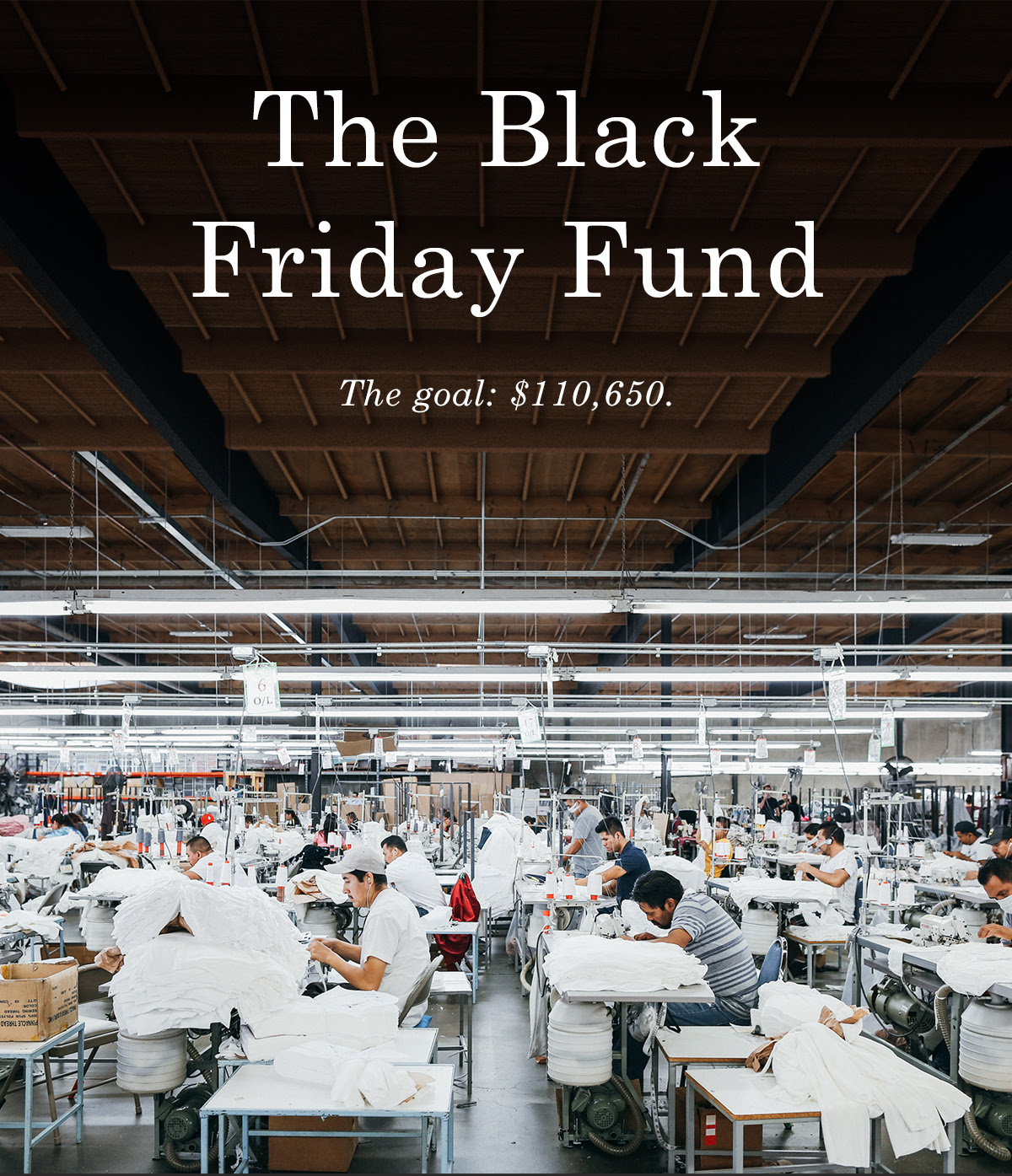
- Product launches are accompanied by beautiful photo stories evoking the 鈥渆ffortlessly chic鈥� aesthetic. Photos often feature the designers themselves or the brand鈥檚 long-time friends and users, fostering a sense of authentic connection with the brand [7].
- Highly effective Instagram campaigns, like #whereItravel, which encouraged fans to show off their Everlane products, aesthetics, and summer vacation photos to fellow Everlane followers around the world. The campaign ended with more than 11,000 submissions鈥攁 huge level of engagement for a relatively small fan base [8].
- Black Friday Fund: in line with its anti-consumerism commitment, on Black Friday Everlane pledges to donate all profits to workers at its factories, dedicating funds raised to a specific factory each year. Shoppers visiting the site on Black Friday 2015 got to virtually tour the LA factory, see the production process in action, 鈥渕eet the people who bring us the products we love鈥� via Employee Spotlights [email campaign I received], and give back through a brand they love and identify with.
Through its business and operating models, Everlane has built a powerful brand that resonates聽with consumer taste as well as value. Amidst the shrouded, fast-fashion apparel industry, Everlane is a breath of fresh air that is poised聽to grow far beyond the closet basics it started with in 2011. As it grows and gains more users, however, it will have to constantly adapt and realign聽its operating model to maintain the authenticity, care, and connection to the product and consumers that are essential to its brand and聽value proposition.
Sources:
All photos belong to Everlane.
[1] Everlane website:聽https://www.everlane.com/
[2] Transparent Mission: Everlane:聽http://www.mr-mag.com/transparent-mission-everlane/
[3] Everlane expands its reach:聽http://www.sfchronicle.com/style/article/Everlane-expands-its-reach-6204937.php
[4] Everlane’s ‘radical transparency’ is e-tailer’s strong suit:聽http://www.latimes.com/travel/fashion/la-ig-everlane-20140907-story.html
[5] Can Everlane Really Become the Next J.Crew?聽http://www.racked.com/2015/10/8/9442455/everlane-expansion
[6] Reddit thread about 2014 Black Friday Fund:聽https://www.reddit.com/r/femalefashionadvice/comments/3od6pa/everlane_black_friday_fund_update/
[7] Sample Everlane product story:聽https://www.everlane.com/meet-the-artist
[8] Press about the #whereItravel exhibit:聽http://www.custommade.com/30-framed-instagram-photo-prints-for-everlanes-whe/by/simplyframed/
Khaaaan!! very interesting post – Everlane definitely led the transparency movement in the fashion space!
Given the simplicity of designs of their clothing, it feels like Everlane creates more value as marketer / online-retailer than a typical fashion business. They’ve been rolling out and experimenting with different retailing models including pop-up stores, one-hour deliveries, and limited-edition lines.
Currently, they have limited collection with minimalist designs, which is on-point with the current fashion trends, as fashion trends change over time, how do you foresee Everlane align and/or stay ahead of this change? Do you foresee Everlane outsourcing design and focus on manufacturing and delivering part of the value chain?
Great post, Khan! I am an Everlane fan and agree that they have carved out a nice niche in the crowded online retail space. Their distinctively minimalistic and clean design aesthetic (both clothing style and website design/photography) seems to be another deliberate yet subtle way to convey alignment with an operating model that is pared down to its simplest, most efficient form.
Eschewing the more traditional retail model in favor of a vertically integrated, direct-to-consumer approach seems to be today鈥檚 more popular path鈥攚hen you think about Warby Parker, Bonobo鈥檚, ASOS, etc. Do you think though that cutting out the middleman, moving online and even transparent pricing is enough for long-term differentiation? Feels like the endurance of these companies may depend on their continued ability to have a strong point of view that keep the attention of consumers who may have difficulty finding brands that speak to them.
Very interesting post! There’s a lot to like about this alignment of business model and operating model. I’d be curious to hear your thoughts re the fact that a lot of the hottest direct-to-consumer eCommerce companies have at some point decided to open brick-and-mortar stores (i.e. Bonobos, Warby, BirchBox, Indochino, etc.)? Do you have any sense for the scale Everlane has reached today and do you expect they too will consider opening some sort of brick-and-mortar or pop-up shop at some point? My sense is these other companies have basically gotten to a point where they feel they have tapped out profitable customer acquisition on a purely online basis, to the point where a retail store is actually more efficient for marketing, new customer acquisition and/or upselling existing customers, and a company like Everlane might run into similar constraints as they scale. Do you agree (and if so, how does this change the operating model summarized above?) or do you think Everlane’s products are simple enough that they can avoid the need to go omnichannel?
Great post! Although typical fast fashion brands have also started to offer more high-end minimalistic offerings (like COS for H&M), Everlane stays unique in its radical transparency vs. the customer. I wonder how this model is extendable to other industries or products.
Also, it seems the fashion industry has heavily relied on the blurry lines between cost and margin to sell their products. Would transparent pricing be sustainable if lower priced but similarly transparent brands enter the market, putting into question the company’s level of margins?