
Creative Action Network: Making the Classics Cool

Creative Action Network is removing barriers to help students enjoy reading classic works of literature via creativity!
One of the myriad of reasons our school systems are broken is because they destroy children鈥檚 desire to learn by force feeding information. What better way to learn than to read! I don鈥檛 know about you all, but I love to read, but reading books for school was a painful chore, and most of us resorted to Cliff Notes. 聽This is a shame, because outside of school assignments, reading many of the classic works of literature has helped me in many areas of my life, not only聽academics. There鈥檚 something about reading about the trials, tribulations and triumphs of fictional characters that inspires us all to strive to be the best versions of ourselves. Encouraging kids to read classic works is even more difficult considering that most school library books either have no cover or are falling apart at the seams.
Given the copyright on most classics has long since expired, the (CAN) has a plan to re-ignite excitement around these books via crowdsourcing. CAN is a worldwide community of creative people that participate in crowdsourced design campaigns around specific causes. CAN then turns these designs into print, clothing and other products, which the public can buy to support the artists and causes behind each campaign. I would like to focus on one campaign in particular 鈥� Recovering the Classics. Their many other campaigns include 鈥淪ee America,鈥� which crowdsources designs for posters of American landmarks, and 鈥淛oin the Pack,鈥� a campaign to invite artists to create designs around the grey wolf, a threatened species.

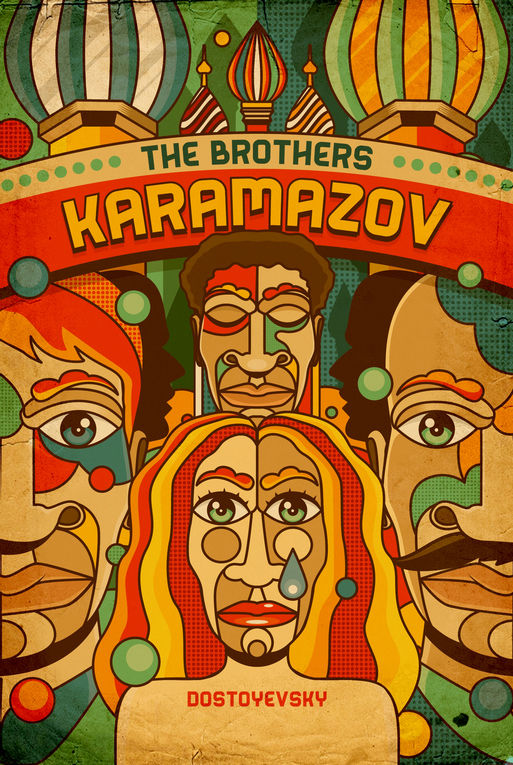
Recovering the Classics collects original book covers for classic works of literature in the public domain via crowdsourcing, and anyone can contribute. This campaign is working in conjunction with the White House to partner with the New York Public Library and Digital Library of America to bring the covers to libraries and schools across the nation, encouraging students and the general public to get excited about Charles Dickens, Mark Twain, Charlotte Bronte and countless other authors, all the while supporting artists.
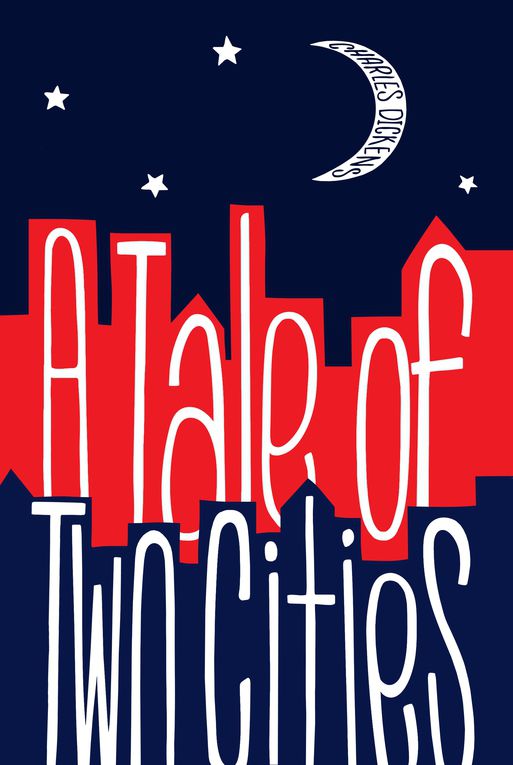

Here鈥檚 how it works. Anyone can contribute a design to any campaign, and the art will automatically be published and made available for sale as prints and other merchandise, provided the artist adhered to the design requirements. Artists own their work, but must agree that CAN is permitted to promote, license and sell the merchandise for 40% of proceeds. Although it鈥檚 crowdsourcing, it鈥檚 not a contest, which leaves the table open to everyone.

I see CAN creating two primary buckets of value within this specific campaign: public school students and artists. I liken what Recovering the Classics is doing to a stroll through Barnes & Noble. Barnes & Noble has incredibly beautiful cover art for its classic works, which make buying them (and maybe even reading them!) that much more appealing. By sourcing works of art, much of it potentially more modern and understandable to the younger generation of students, Recovering the Classics encourages students to see these classics with a new lens, making reading more relevant to them in the modern day and age. Because artists do not have to worry about winning a contest to sell their prints, they are less likely to be subject to the artistic whims of a book cover selection committee. Instead, consumers can vote on the designs with their pocketbooks, with the most unusual or creative work spurring the most excitement.
 听听
听听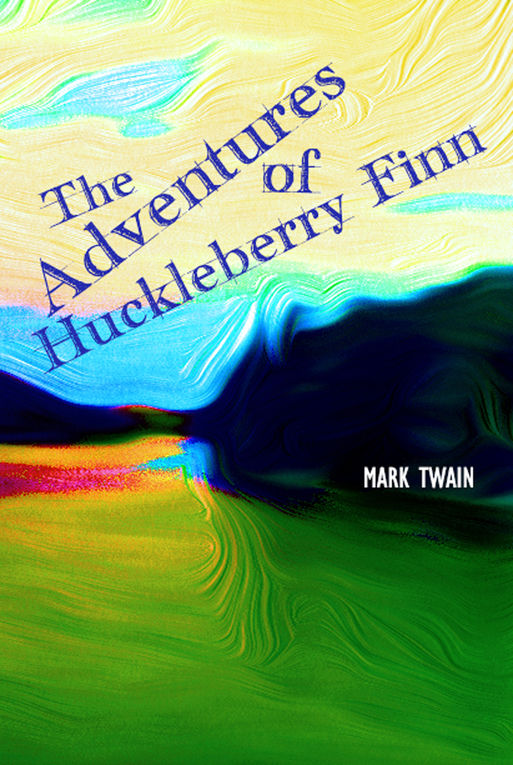 听听
听听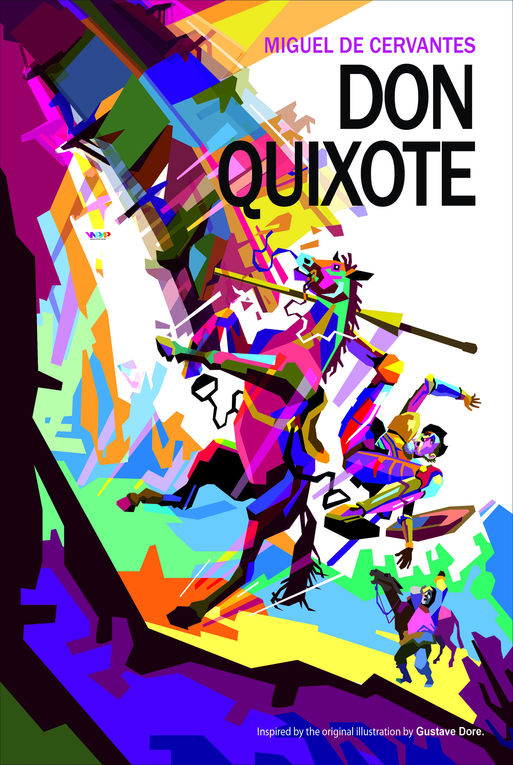
However, this campaign does have risks, and I don鈥檛 see this particular campaign becoming a big business, given the majority of the population does not read classic works of literature and many high-profile artists likely want greater control over their work. Those that read classics, can get them for free online (Kindle classics are free!) or through the library. In addition, if this campaign (or others) were to suddenly become extremely popular among artists, many of them may become dis-incentivized to participate if the merchandise website is cluttered with page upon page of different artists鈥� designs. In this case, choosing a contest winner or winners might make more sense, which might invite more high-profile artists and 鈥渃rush鈥� the competition. In a way, to fulfill its mission of democratizing art, CAN needs to remain relatively low-profile and not encourage high-hitters to submit their work.
CAN itself has the potential to become THE “crowdsourcer” for artists, but has a great deal of competition from other companies, such as Threadless, and the fact that any company could simply announce a contest to design, for example, a new line of apparel or advertising copy, and would likely attract serious artists.聽 Focusing on specific campaigns could be a competitive advantage for CAN, and they could become the go-to for crowdsourcing campaigns for specific causes. Beyond that, I see CAN as a niche, generating excitement around a particular campaign with little need to become an artists鈥� crowdsourcing behemoth.